 VapeWholesaleHub
Reducing Returns on Cartomizer Through Better Specs — Low Minimum Quantities
Most first time importers of cartomizer ask the same five questions. This page answers them in the order they usually arrive, with the numbers we quote internally rather than round marketing claims.
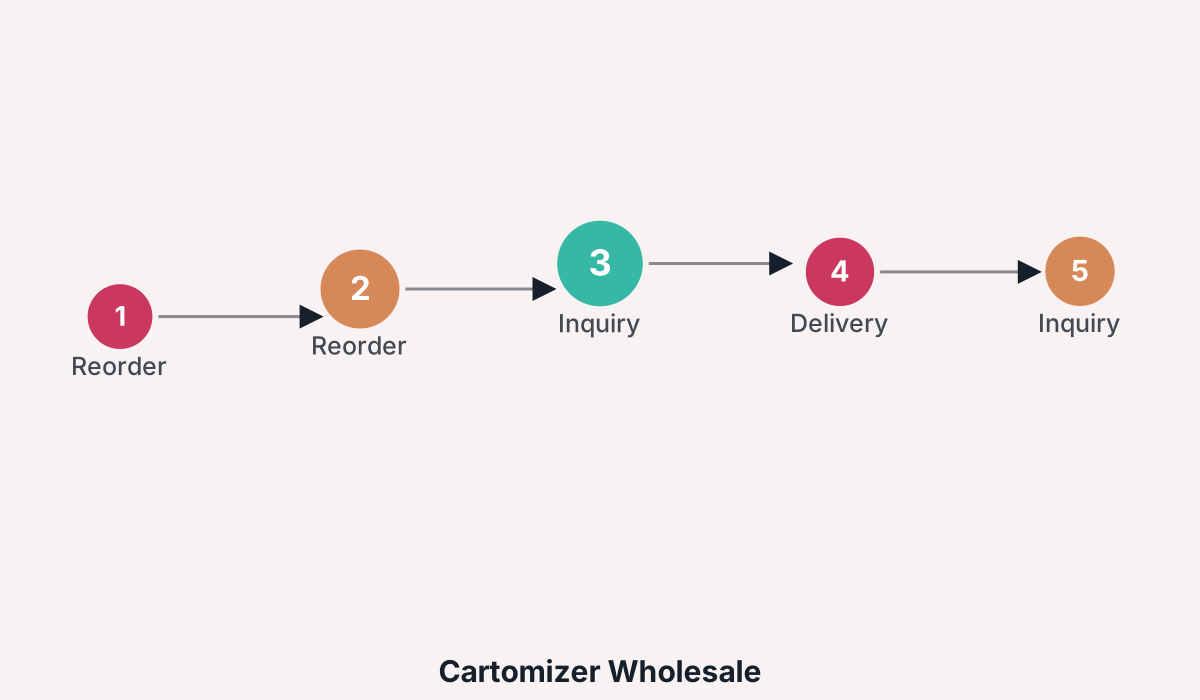
Inspection Before Dispatch
Most defects in cartomizer are not dramatic. They are loose tolerances, a slightly thin seal, a mouthpiece that clicks. Left alone they turn into leak complaints, which are the single most common reason a retailer drops a line.
The cheapest quality control step is a retained sample. Keeping three sealed units from every cartomizer batch costs almost nothing and turns any dispute into a simple comparison instead of an argument over photographs.
- Model landed cost, not ex-works price, when comparing quotes.
- Check carton dimensions against your freight quote before confirming.
- Start with a mixed carton and let your own sell-through decide.
- Agree the tolerance band in writing before approving artwork.
- Rotate stock by batch code rather than by delivery date.
Market Signals
Demand for cartomizer has been steadily rebalancing. The early phase rewarded whoever could ship fastest; the current phase rewards whoever can ship the same thing twice. That shift favours buyers who invest in specification rather than price shopping.
Expect cartomizer packaging requirements to keep tightening. Designs that leave room for additional labelling age better than tight layouts that need a full reprint to comply.
Merchandising and Listing Tips
Online, the listing for cartomizer should answer three questions without scrolling: what it is, how strong it is, and what it tastes like. Everything else belongs further down the page.
Online, shoot cartomizer at a consistent scale across the range. Customers compare by eye, and inconsistent product photography creates returns that have nothing to do with the product.
Reading a Cartomizer Spec Sheet
Pay attention to how a cartomizer supplier responds when you ask for a tolerance they do not want to commit to. The hesitation is usually more informative than the eventual answer.
A written cartomizer specification should be short enough to read in a minute and precise enough to argue about. If a factory cannot confirm a number in writing, assume the number is whatever is cheapest that week.
| Product category | Accessory |
|---|---|
| Resistance band | 1.2 - 1.4 ohm |
| Capacity tolerance | +/- 5% |
| Puff count method | Machine cycle 3s on / 27s off |
| Master carton | 400 units |
| Carton weight | 8.4 kg |
| Shelf life | 12 months |
| Storage | 15-25 C, dry, away from direct light |
Freight, Customs and Timing
Customs classification for cartomizer varies by market and changes from time to time. We ship with full documentation, but your broker should confirm the current code before your first order rather than after it lands.
Practical Checklist
- Write the complaint threshold into the order terms.
- Confirm the current customs classification with your own broker.
- Plan the switch from air to sea freight before you need it.
- Model landed cost, not ex-works price, when comparing quotes.
- Rotate stock by batch code rather than by delivery date.
- Ask how the factory measures puff count, then compare like with like.
Frequently Asked Questions
How do you handle a short shipment?
Cartons are counted and weighed before dispatch and the figures are shared with you. If something is short on arrival, the packing record and the carrier documentation are both available, which keeps the claim straightforward.
Is there a warranty on cartomizer?
Manufacturing defects are covered against the retained sample standard. Normal wear, misuse and damage after opening are not. We publish the threshold in the order terms so both sides know exactly what the claim process looks like.
Do you provide compliance documents?
Every shipment leaves with the documentation set relevant to your market, including batch records and test reports where required. Your local rules still determine what you must file, so confirm those with your broker before import.
What information do you need to quote?
Target specification, approximate quantity, destination and any packaging requirement. With those four we can usually come back with a costed option the same working day rather than a request for more information.
Next Step
The best cartomizer programmes we see are run by buyers who write things down. Specifications, batch records, complaint thresholds - the paperwork is the advantage.
Related Reading
- Cartomizer Electronic Data Interchange for Large Accounts — Freight Included
- Cartomizer Product Listings That Actually Convert — Three Price Tiers
- Cartomizer Compliance Basics for Importers — Established Chains
- Cartomizer Clearance Strategies That Protect Margin — UK and Ireland
- How to Brief a Factory on Cartomizer — Busy Buyers
- Cartomizer Case Study: From First Pallet to Repeat Container — Warehouse Teams