 VapeWholesaleHub
Cartomizer When to Add a Second Factory — Private Label Programmes
Retailers rarely lose money on cartomizer because of price. They lose money because the first container was bought on a photograph. This page walks through what actually matters when you source cartomizer at scale, written from the buying desk rather than the marketing department.
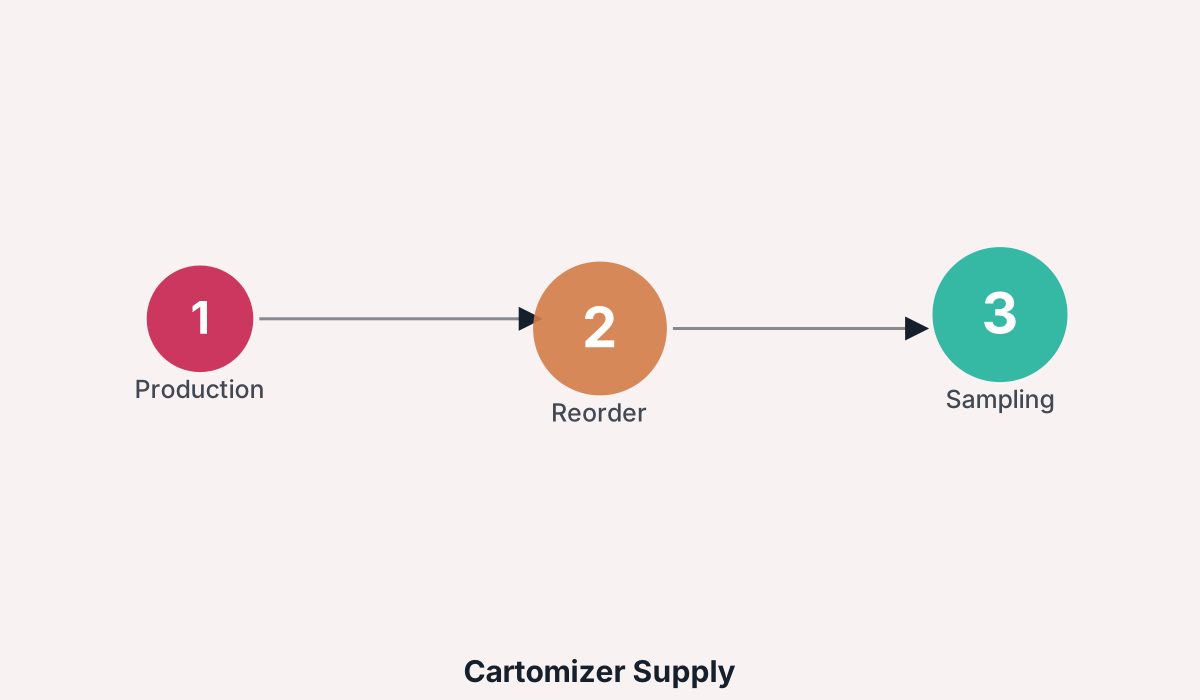
Pricing and Margin
Tiered pricing works best when the tiers match real customer behaviour. Most cartomizer buyers will take the second tier if the step is modest and the third tier only if they can see a genuine reason to hold more stock.
Indicative reference points for planning purposes: entry tier from USD 1.17 per unit at 1000 units, mid tier at USD 1.21, and volume tier at USD 1.20 for full container quantities. These figures move with specification, packaging and freight, so treat them as a shape rather than a quote.
Selling Cartomizer at Store Level
Online, the listing for cartomizer should answer three questions without scrolling: what it is, how strong it is, and what it tastes like. Everything else belongs further down the page.
Freight, Customs and Timing
Ask your forwarder for the cartomizer transit history on your lane, not the advertised schedule. The gap between the two is the buffer you should build into your reorder point.
Split cartomizer shipments across two sailings when the order is large enough. It costs slightly more but removes the risk of a single event wiping out a full quarter of stock.
Where Cartomizer Sits in the Range
Cartomizer rewards retailers who can explain it in one sentence. If your team needs a paragraph, the range is too complicated for the space it occupies.
Category data for cartomizer is noisier than it looks. Promotions, weather and local competition all move weekly numbers, so read three months at a time rather than reacting to a single week.
The Specification That Matters
Two specifications that matter more than buyers expect: the seal integrity after a drop test and the consistency of the draw from first use to last. Both are measurable before you commit to volume.
Ask any factory for the same cartomizer sample twice, three months apart. If the second sample drifts, the production line is running without statistical control and your reviews will drift with it. Consistency over time is a more useful signal than a single good sample.
| Product category | Open system |
|---|---|
| Resistance band | 1.2 - 1.4 ohm |
| Capacity tolerance | +/- 2% |
| Puff count method | Machine cycle 3s on / 27s off |
| Master carton | 120 units |
| Carton weight | 6.0 kg |
| Shelf life | 24 months |
| Storage | 15-25 C, dry, away from direct light |
Trends Worth Watching
One visible change in cartomizer is the move towards clearer labelling and traceability. Retailers who adopted batch coding early are finding it much easier to work with larger distributors now.
Practical Checklist
- Keep sealed retained samples from every production batch.
- Start with a mixed carton and let your own sell-through decide.
- Agree the tolerance band in writing before approving artwork.
- Plan the switch from air to sea freight before you need it.
- Ask how the factory measures puff count, then compare like with like.
- Check carton dimensions against your freight quote before confirming.
Frequently Asked Questions
How are price changes handled on repeat orders?
{K} pricing is reviewed against input costs and volume rather than adjusted casually. Any change is confirmed in writing before the next order is scheduled, with the reason stated so you can judge it yourself.
Can the packaging be customised?
Yes. Most cartomizer programmes use private label packaging once volumes justify the printing plate. We supply dielines, check your artwork for print issues and hold approved files so reorders need no new setup.
What is the usual minimum order for cartomizer?
For a standard production run the minimum is normally one master carton per flavour, though mixed cartons can be arranged for a first order. If you are testing the line, ask about a sample pack first and treat the freight as part of your research budget.
How do you handle a short shipment?
Cartons are counted and weighed before dispatch and the figures are shared with you. If something is short on arrival, the packing record and the carrier documentation are both available, which keeps the claim straightforward.
Next Step
Start smaller than feels comfortable, measure honestly, then scale what worked. That sequence has saved more of our customers money than any negotiation tactic we could suggest.
Related Reading
- Cartomizer KPI Set for Wholesale Operations — Repeat Orders
- Spotting Defects in Cartomizer Before Shipment — Latin America
- Cartomizer Negotiation Timing Through the Production Year — First-Time Importers
- Cartomizer Barcode and Labelling Requirements — Regional Distributors
- Cartomizer Inventory Turnover Benchmarks for Stores — Container-Scale Orders
- Cartomizer Chargeback Prevention for Retail Partners — Seasonal Demand Peaks