 VapeWholesaleHub
Cartomizer Sell Through Tracking Without Expensive Tools — Mixed Cabinets
We ship cartomizer to distributors in very different markets, and the same five questions come up almost every week. Rather than answer them in email each time, we have written them out properly here.
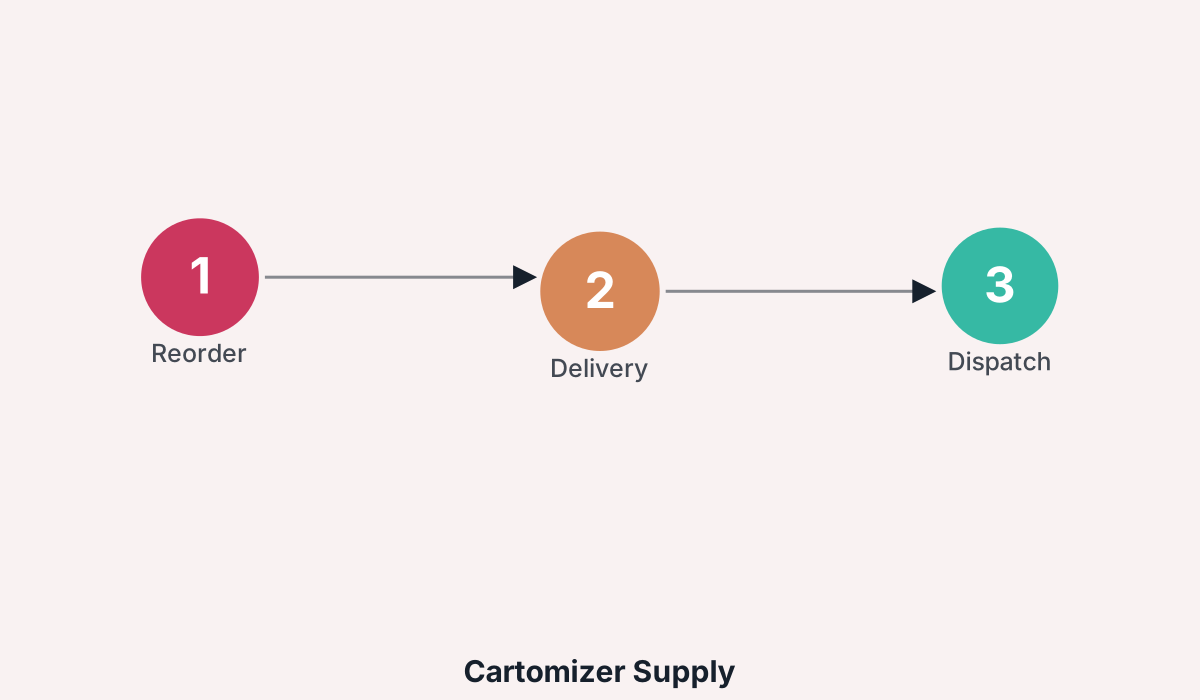
Where Cartomizer Sits in the Range
Think about where cartomizer sits in your customer's week. If it is a weekly restock, breadth matters less than availability. If it is an occasional treat, flavour range and display story carry more weight.
Cartomizer rewards retailers who can explain it in one sentence. If your team needs a paragraph, the range is too complicated for the space it occupies.
Modelling a Healthy Margin
The cheapest cartomizer quote is rarely the cheapest outcome. Add freight, defect handling, delay risk and the staff time spent chasing, then compare again. The ranking often changes.
Tiered pricing works best when the tiers match real customer behaviour. Most cartomizer buyers will take the second tier if the step is modest and the third tier only if they can see a genuine reason to hold more stock.
Indicative reference points for planning purposes: entry tier from USD 1.16 per unit at 2000 units, mid tier at USD 1.86, and volume tier at USD 1.26 for full container quantities. These figures move with specification, packaging and freight, so treat them as a shape rather than a quote.
Merchandising and Listing Tips
Keep the cartomizer range tidy. A half empty shelf reads as a dying line, and customers interpret it that way faster than any signage can correct.
A cartomizer display that answers strength and flavour without staff involvement outsells a prettier one that does not. Most customers will not ask, so the fixture has to do the work.
Logistics That Protect Margin
Model cartomizer freight both ways before choosing a method: cost per unit and cost per week of delay. The second figure is the one that decides whether a cheap option was actually cheap.
Air freight makes sense for a first cartomizer order when you need to test demand quickly, but almost every steady programme moves to sea freight once volumes stabilise. Planning that switch early avoids a painful margin squeeze later.
Reading a Cartomizer Spec Sheet
A written cartomizer specification should be short enough to read in a minute and precise enough to argue about. If a factory cannot confirm a number in writing, assume the number is whatever is cheapest that week.
| Product category | Accessory |
|---|---|
| Resistance band | 0.6 - 0.8 ohm |
| Capacity tolerance | +/- 3% |
| Puff count method | Machine cycle 2s on / 18s off |
| Master carton | 120 units |
| Carton weight | 3.9 kg |
| Shelf life | 24 months |
| Storage | 15-25 C, dry, away from direct light |
Market Signals
Traceability is moving from a nice-to-have to a requirement in several cartomizer markets. Building the habit now is cheaper than retrofitting record keeping under pressure later.
Practical Checklist
- Rotate stock by batch code rather than by delivery date.
- Model landed cost, not ex-works price, when comparing quotes.
- Start with a mixed carton and let your own sell-through decide.
- Check carton dimensions against your freight quote before confirming.
- Ask how the factory measures puff count, then compare like with like.
- Write the complaint threshold into the order terms.
Frequently Asked Questions
Can I visit the production facility?
Yes, and we encourage it for larger programmes. Visits are most useful when you already have a draft specification, because you can then check the specific processes behind the numbers you care about.
What is the usual minimum order for cartomizer?
For a standard production run the minimum is normally one master carton per flavour, though mixed cartons can be arranged for a first order. If you are testing the line, ask about a sample pack first and treat the freight as part of your research budget.
Can you match an existing product I already sell?
Often yes, provided we can measure it properly. Send a physical sample and we will report back on what can be matched, what will differ slightly, and why. An honest gap is more useful than a vague promise.
How should cartomizer be stored?
Cool, dry and out of direct sunlight. Heat and light are the two things that shorten shelf life fastest. Rotate stock by batch code rather than by arrival date, and keep cartons off concrete floors in humid warehouses.
Can I mix strengths in one order?
In most cases yes, as long as each strength meets the minimum run length. Mixed strength cartons are popular with retailers building their first display because they show the full ladder without over committing.
Next Step
If you are comparing options right now, send us the specification you have been quoted elsewhere. A side by side reading usually shows where the price difference actually comes from, and that is the most useful first conversation to have.
Related Reading
- Cartomizer Colour Matching Across Production Runs — New Distributors
- Cartomizer Humidity Control in Coastal Warehouses — Tight Margin Categories
- Cartomizer Packaging Waste and Recycling Options — Private Label Programmes
- Cartomizer Buyer FAQ for First Time Importers — EU Markets
- Cartomizer Trade Show Buying Tactics — Tight Margin Categories
- Cartomizer Reading Factory Capacity Honestly — Southeast Asia