 VapeWholesaleHub
Cartomizer Emissions and Leak Testing Methods — Entry-Level Price Points
This page is written for the person who has to sign the purchase order, not for the person who designed the packaging. If you are weighing up cartomizer right now, the sections below follow the order in which the real decisions tend to arrive.
Inspection Before Dispatch
The cheapest quality control step is a retained sample. Keeping three sealed units from every cartomizer batch costs almost nothing and turns any dispute into a simple comparison instead of an argument over photographs.
Incoming inspection for cartomizer is not about opening boxes at random. We weigh a sample of cartons, check batch codes against the production record, run a draw resistance measurement, and log the results so that a complaint three months later can be traced to a specific run.
- Agree the tolerance band in writing before approving artwork.
- Keep sealed retained samples from every production batch.
- Rotate stock by batch code rather than by delivery date.
- Plan the switch from air to sea freight before you need it.
- Check carton dimensions against your freight quote before confirming.
The Specification That Matters
When we write a cartomizer specification with a distributor, we fix four things first: the resistance band, the liquid capacity tolerance, the puff count methodology and the packaging master carton. Everything else can flex without changing the customer experience.
Two specifications that matter more than buyers expect: the seal integrity after a drop test and the consistency of the draw from first use to last. Both are measurable before you commit to volume.
| Product category | Accessory |
|---|---|
| Resistance band | 0.8 - 1.0 ohm |
| Capacity tolerance | +/- 2% |
| Puff count method | Machine cycle 3s on / 27s off |
| Master carton | 400 units |
| Carton weight | 3.4 kg |
| Shelf life | 24 months |
| Storage | 15-25 C, dry, away from direct light |
Where Demand Is Heading
The cartomizer category is consolidating around suppliers who can document what they ship. Buyers who built that requirement into their process early are now finding it much easier to scale.
Assortment rationalisation is the quiet trend in this category. Shops that cut their cartomizer range from twelve lines to five well chosen ones often report higher total sales, not lower.
Turning Cartomizer Into Repeats
Keep the cartomizer range tidy. A half empty shelf reads as a dying line, and customers interpret it that way faster than any signage can correct.
On shelf, cartomizer sells on clarity. A plain shelf talker that states strength and flavour in two words outperforms a beautifully designed but vague display, because most purchase decisions here take under ten seconds.
Modelling a Healthy Margin
When cartomizer input costs move, ask which component moved. A generic price increase hides whether you are paying for cells, packaging or simply a busy production calendar.
When you model cartomizer pricing, build in a realistic shrink figure. Even a well run line loses a small percentage to damage, expiry and sampling. Pretending that number is zero is how a healthy looking margin turns negative.
Indicative reference points for planning purposes: entry tier from USD 2.11 per unit at 1000 units, mid tier at USD 1.85, and volume tier at USD 0.63 for full container quantities. These figures move with specification, packaging and freight, so treat them as a shape rather than a quote.
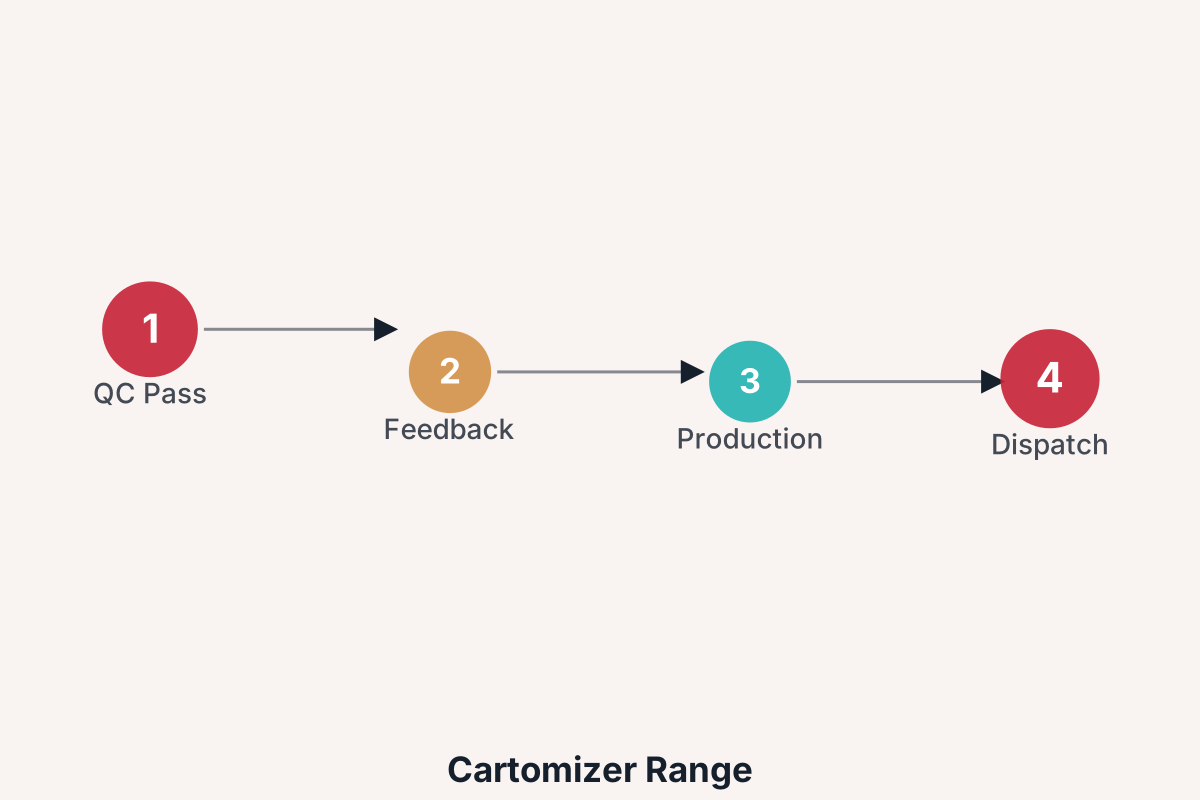
Practical Checklist
- Start with a mixed carton and let your own sell-through decide.
- Model landed cost, not ex-works price, when comparing quotes.
- Keep sealed retained samples from every production batch.
- Plan the switch from air to sea freight before you need it.
- Confirm the current customs classification with your own broker.
- Agree the tolerance band in writing before approving artwork.
Frequently Asked Questions
What is the usual minimum order for cartomizer?
For a standard production run the minimum is normally one master carton per flavour, though mixed cartons can be arranged for a first order. If you are testing the line, ask about a sample pack first and treat the freight as part of your research budget.
Can I visit the production facility?
Yes, and we encourage it for larger programmes. Visits are most useful when you already have a draft specification, because you can then check the specific processes behind the numbers you care about.
Do you hold stock for regular customers?
For established programmes we can reserve production slots and, in some cases, hold finished cartomizer stock against a forecast. It removes most of the lead time risk from a reorder and is worth discussing once volumes are stable.
What does a sample pack usually include?
A typical cartomizer sample pack covers the strengths or variants you are most likely to list, packed so you can evaluate them side by side. Tell us which lines you are considering and we will match the pack to that rather than sending a generic selection.
Next Step
The best cartomizer programmes we see are run by buyers who write things down. Specifications, batch records, complaint thresholds - the paperwork is the advantage.
Related Reading
- Cartomizer Insurance and Cargo Cover Explained — Mixed Cabinets
- Cartomizer Currency and Payment Risk Basics — Plain Language
- Cartomizer Assortment Depth Versus Breadth — Freight Included
- Cartomizer Lead Time Buffers That Actually Work — Tight Margin Categories
- Cartomizer Monthly Review Ritual for Buyers — EU Markets
- Cartomizer Freight Forwarder Selection Notes — Mixed Cabinets